|
|
|

|
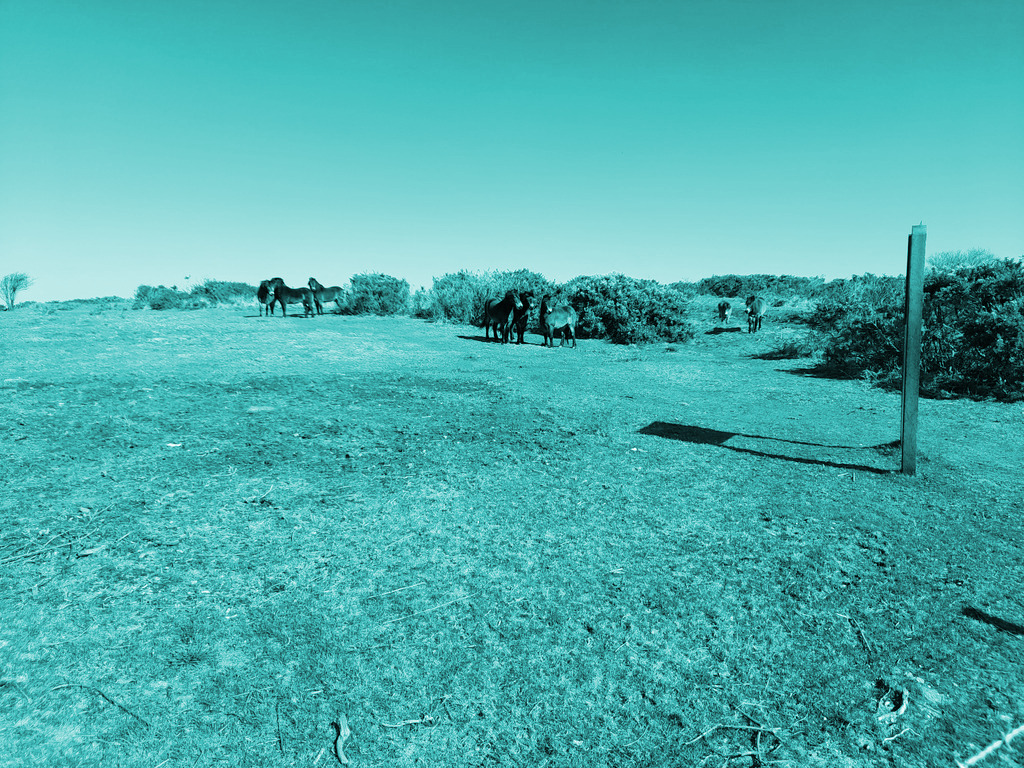
Where Have All The Horses Gone? :- Hobs came from a privileged background, and he knew that. Mostly, due to the financial support of Philomena, his grandmother, he could concentrate on his writing. But he could see the changes in the rural life around him. In other parts of the country, the industrial revolution had drawn large numbers of workers from the countryside, and destroyed the cottage industries, that had gone on for as long as people could remember. The impact of The Great War affected everyone, and one of Hobs's favourite phrases was "Where Have All The Horses Gone?", which Philip, as a youth, had asked of Philomena one day. Hobs used it whenever there was a disruption, or interuption, to his routine. Before the war, there were horses everywhere. Just on the farm estate, there were nearly one hundred, stabled at the various clusters of farm buildings across the estate, and at The Big House. They were used for everything. For riding, pulling carts and drays, and gigs and carriages. For ploughing and cultivating the land. Everything relied on horses. So many horses were mobilised by the army, that the countryside emptied out, and so very many never returned. Killed in the war. People had to walk, or learn how to ride a bicycle, and on the farm estate, much of the land that had previously been under the plough, was changed to pasture. Simon, who was managing the farm estate by then, hugely increased the number of sheep and cattle, as the ability to grow crops became more difficult. He didn't want to adopt the new technologies of the traction engines for ploughing, which would have meant the grubbing up of hedges to make the fields larger, and better suited for these steam engines. Simon appreciated the skills that went into laying the correct type of hedge, different for securing sheep, from those for cattle. He had been taught that a ploughman with two horses, could plough an acre a day, and over the course of a six day working week, so a six acre field could be ploughed. That is what dictated the field size, that practicality. Simon felt a deep responsibility to the land and it's history, and wasn't going to respond to some whim of some faceless civil servant in Whitehall, or their political masters. There was a cycle to life. Ploughing and planting autumn wheat, hedging and ditching, bring the cattle close to the barns, hurdle making indoors over Winter, spring lambs, cattle out to graze, more planting, harvesting, and back to ploughing and planting autumn wheat. Planning the crop and field rotation, buying and selling livestock, grain, vegetables. Hiring, and sometimes firing, of farm workers, ensuring their welfare, accomodation, food. Husbandry was the word which summed up the approach Simon took to managing the estate, the ongoing welfare of the land and the livestock. Hobs got to hear all these stories of change, after such a long perioed of stability, and he pondered about the social impact, and how things might change in the future. I think, that is why he chose to become a science fiction author. Industrialisation and warfare had altered his families lives like never before. The horses were gone, never to return. |
